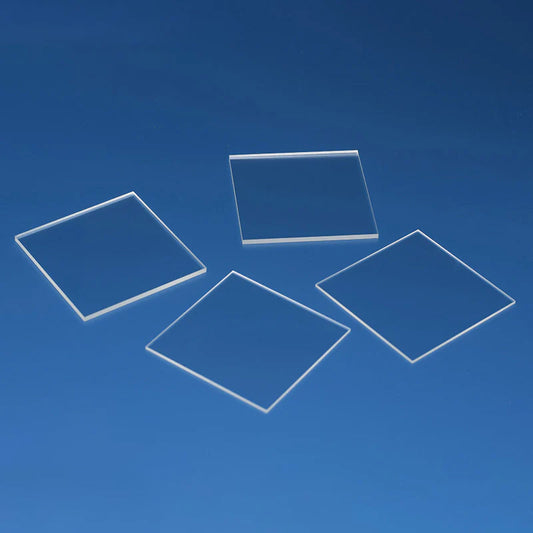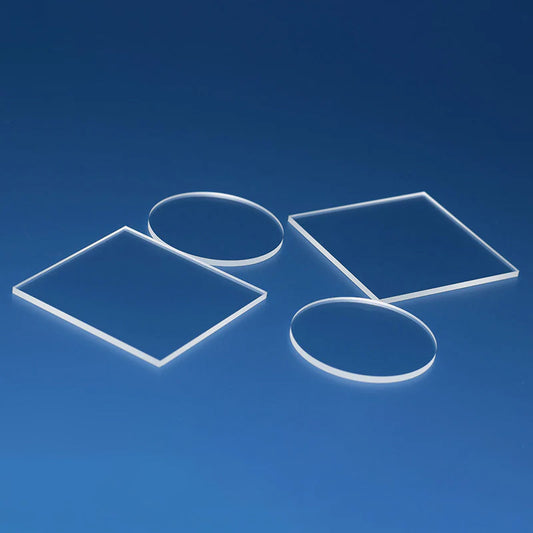

featured What Is Ultra-Thin Glass? Thickness Range & Applications
Ultra-thin glass is glass thin enough to flex — in some cases enough to fold — while keeping the scratch resistance, chemical stability, and optical clarity of standard glass. The property that makes it useful isn't the material itself; it's simply how thin it can be made without breaking. Key Specifications at a Glance Parameter Typical Value Thickness range 0.03 mm–1.1 mm...
On by jampeter 0 comments
Borosilicate Glass vs. Soda-Lime Glass: What's the Difference?
Soda-lime glass and borosilicate glass are both silica-based, but a difference in composition gives them very different performance under heat — and that difference decides which one belongs in your application. Key Comparison Property Soda-Lime Glass Borosilicate Glass Main components SiO2, Na2O, CaO SiO2, B2O3, Na2O, Al2O3 Thermal expansion coefficient ~9 × 10⁻⁶ /°C ~3.3 × 10⁻⁶ /°C Thermal shock resistance Moderate...
On by jampeter 0 comments
What Is Borosilicate Glass? Properties, Uses & Buying Guide
Borosilicate glass is a silica-based glass with boron trioxide added to the mix. That one addition changes how the glass behaves under heat and chemical attack enough that it's become the default choice anywhere ordinary glass isn't tough enough — lab glassware, high-end cookware, and precision optical and industrial components. Key Specifications at a Glance Property Typical Value Main components SiO2, B2O3,...
On by jampeter 0 comments